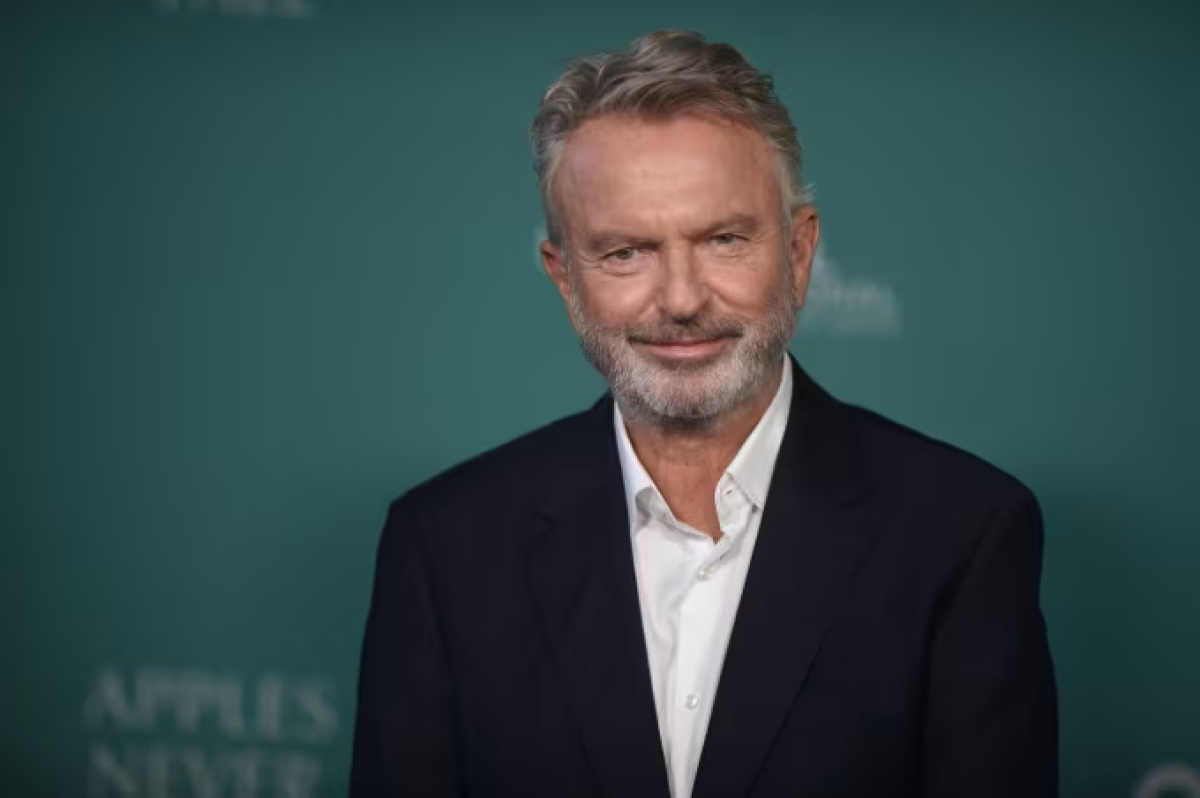
George Lucas has never shied away from new technology. He built Industrial Light & Magic from scratch because the tools he needed didn't exist yet. He championed digital cameras and CGI before most of Hollywood was willing to touch them. So when the 82-year-old Star Wars creator sat down with A Rabbit's Foot this month and declared artificial intelligence "the future" of filmmaking, the reaction in some quarters was surprise — and in others, a knowing nod.
But the timing of his remarks, paired with where he made them, adds an irony that's hard to ignore: Lucas was promoting the upcoming opening of the Lucas Museum of Narrative Art, an institution dedicated to celebrating decades of human-made storytelling. The man endorsing the AI-driven future of cinema was, in the same breath, opening a monument to the human artists who built that tradition.
The Horse-and-Buggy Argument
Lucas's case for AI in filmmaking is unapologetically technological determinist. He compared resistance to AI to someone insisting that horse-drawn carriages are superior to automobiles — acknowledging the car's downsides (it breaks down, needs fuel, can eventually be weaponized) while maintaining that its inevitability makes those objections beside the point.
"There's nothing you can do about it," Lucas said. "That's progress. It's the future."
It's a framing that will be immediately familiar to anyone who has followed the AI debate in creative industries: the technology is coming regardless, so the only productive question is how to use it responsibly. Lucas isn't arguing that AI is harmless. He's arguing that it's unstoppable — and that the energy spent resisting it would be better directed toward governance.
"If you want AI that tells you when something is fake and where it came from, AI can do that," Lucas added. "Humans can't. We're not that smart."
On misuse, he placed responsibility squarely on individuals: "You're a human being, you're responsible for what you say and what you do, and if you're doing something that's illegal, you should be punished for that."
Why Lucas Isn't Really a Surprise
For those who have tracked Lucas's career closely, the position is entirely consistent with his history. He is, above almost any other filmmaker of his generation, defined by his relationship to technology as a creative tool — not just as a means of production, but as a condition of possibility for the stories he wanted to tell.
The original Star Wars required inventing new visual effects techniques. The prequels waited for CGI to mature before production began. ILM, the company he created to solve a single film's technical problems in 1975, became the dominant visual effects company on Earth. For Lucas, the pattern has always been the same: want a story, invent the tool, tell the story.
His position also aligns with a notable generational pattern playing out across Hollywood. Critics of AI in film tend to skew younger — more attuned to the labour displacement and training-data ethics debates that dominate current discourse. The filmmakers who have come out in support of AI tend to be veterans: James Cameron, Martin Scorsese, Werner Herzog, Steven Soderbergh, and now Lucas. These are directors for whom technological disruption has always been part of the creative process, and who built careers precisely by embracing tools their peers were skeptical of.
The Debate Lucas Sidesteps
What makes Lucas's comments more complicated than a simple tech-optimist take is what he doesn't address: the fundamental difference between previous filmmaking technology shifts and AI.
Digital cameras replaced film cameras. CGI replaced practical effects. Both were new tools for human artists to wield. Generative AI is different in that it was trained, in most cases, on vast quantities of human-made creative work — often without the consent or compensation of the people who made it. It doesn't just give filmmakers a new tool; it reproduces patterns from an existing creative commons without clear attribution or economic return.
The horse-and-buggy analogy neatly avoids this distinction. Cars didn't learn to drive by studying millions of horse rides.
Lucas's suggestion that AI can itself solve the authenticity and attribution problem — by flagging fakes and identifying sources — is interesting but unproven at the scale the film industry would require. And his general framework of individual accountability ("if you're doing something illegal, be punished") offers little comfort to artists whose work may already be embedded in the training sets of the tools replacing them.
The Museum Paradox
There's a particular tension in where these comments were made. The Lucas Museum of Narrative Art, set to open in Los Angeles this fall, is dedicated to celebrating visual storytelling — and specifically the human art behind it. The museum's own positioning spotlights "stories and the people who tell them."
Lucas promoting AI filmmaking tools from the context of an institution honouring human narrative artists creates an irony he didn't explicitly address. Whether that's contradiction or simply evidence that he sees no fundamental conflict between AI tools and human storytelling is, perhaps, the most interesting question his remarks raise.
Where This Fits in the Broader Picture
Lucas's comments arrived at a charged moment for AI in entertainment. The debut of Tilly Norwood, an AI-generated "actress" set to star in an actual feature film, was making headlines in the same news cycle. Labour disputes over AI use in film and television have not disappeared since the 2023 strikes. And the question of where human creative labour ends and AI-assisted output begins is increasingly live on every major production.
Against that backdrop, one of cinema's most influential figures taking a clear, public, pro-AI position matters — not because it resolves the debate, but because it shapes it. Lucas carries enormous cultural authority among working filmmakers and audiences alike. His endorsement gives permission to a lot of people sitting on the fence, and signals to studios that AI-assisted filmmaking can be positioned as a continuation of a proud technological tradition rather than a break from it.
Whether that's how history will remember this moment depends on choices that haven't been made yet.
Related Reading
- 26 Meta Employees Sue Over AI-Driven Layoffs — The Algorithm They're Targeting
- Hachette, Elsevier, and Cengage Are Suing Google Over Gemini — and the Entire AI Industry Is Watching
- Goldman Sachs Says AI Spent $700B in 2025 — and Gave the US Almost Nothing Back
- Satya Nadella's AI Warning: You're Paying Twice for Enterprise AI