A Viral Claim, a Global Brand, and a Same-Day Rebuttal
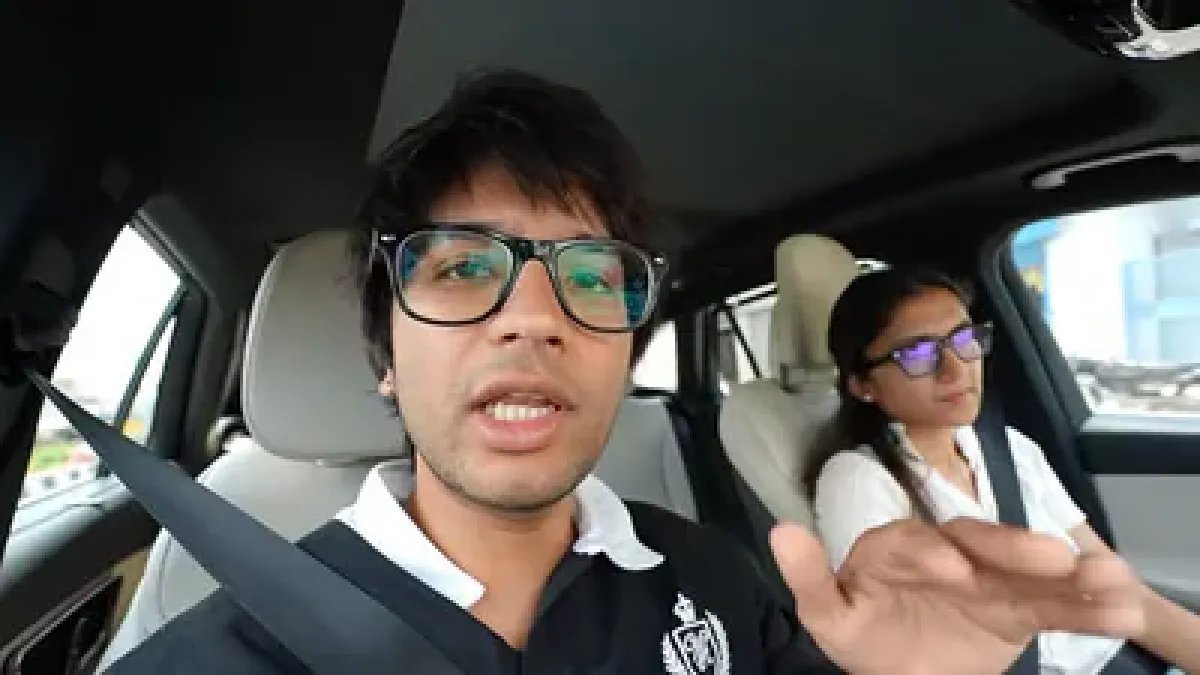
On July 12, 2026, a routine daily vlog turned into a full-blown controversy for Mercedes-Benz in India. Popular YouTuber Sourav Joshi told his audience that his Mercedes-Benz SUV's fuel efficiency had collapsed from around 17 km/l to as low as 5 km/l, and pinned the blame on India's rollout of E20 fuel — petrol blended with up to 20% ethanol. The clip spread rapidly across social platforms, was picked up by other creators and outlets, and within hours had turned into a national conversation about whether ethanol-blended fuel was quietly damaging vehicles.
The episode is a textbook case of how a single unverified data point — one driver's mileage reading — can outrun the facts in the age of algorithm-driven virality, and how brands and institutions now have to respond in near real time to contain it.
Mercedes-Benz's Rapid Response to the E20 Fuel Claim
Mercedes-Benz India didn't wait for the story to escalate further. The company issued a public customer advisory on X within roughly 24 hours, stating that all its BS VI petrol vehicles are materially compatible with E20 fuel and are certified accordingly by relevant authorities. Santosh Iyer, the company's Managing Director and CEO, had separately clarified that vehicles sold since 2020 are E20-compliant, and models from 2023-24 onward meet the latest ethanol-blend standards. The company even noted that certain models, like the plug-in hybrid S-Class, are already engineered for the higher E25 blend.
Notably, Mercedes-Benz pointed to a different culprit for real-world mileage complaints: inconsistent fuel quality and adulteration at retail pumps, where actual ethanol content sometimes exceeds the mandated 20%, rather than the E20 standard itself. Joshi later deleted the segment of his vlog that made the original claim.
The Real Story Is About Speed, Not Just Fuel
What makes this worth examining on a tech and consumer-behavior level is less about ethanol chemistry and more about information velocity. A single anecdotal claim, with no controlled testing behind it, was enough to move public sentiment, trigger dealership inquiries, and force an automaker to issue a formal correction — all within about a day. That's the modern misinformation lifecycle: a claim goes viral before it's verified, and verification has to catch up after the damage to trust is already done.
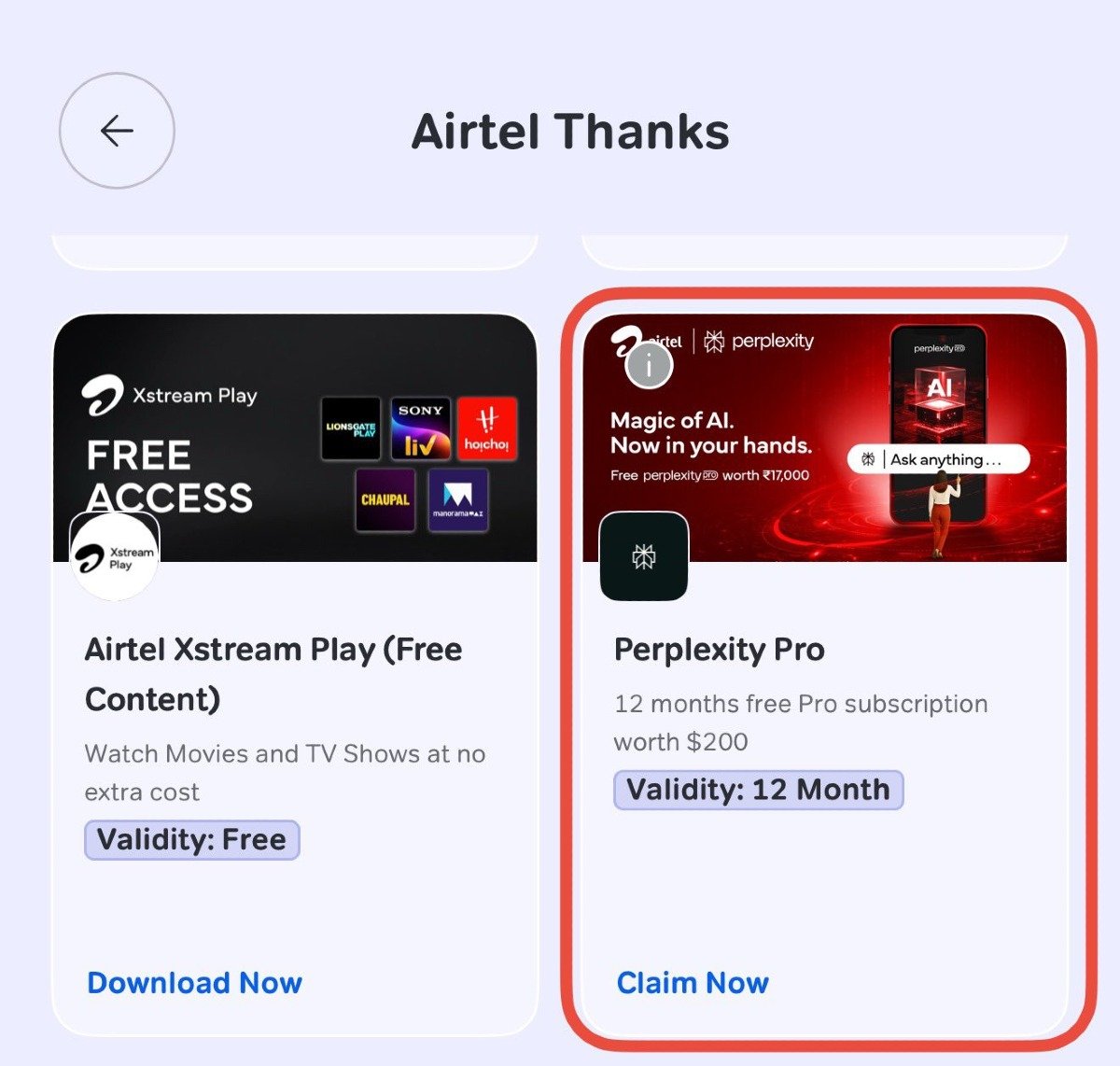
It's also why AI-assisted verification tools are becoming a first line of defense for consumers trying to separate anecdote from fact. Search and answer engines like Perplexity, which many Indian users got free access to through telecom bundling deals before that free access started winding down, are increasingly the tool people reach for to fact-check a viral claim before sharing it further — pulling together manufacturer statements, government data, and independent reporting in one place instead of relying on a single vlog.
A Familiar Pattern From the Tech World
Anyone who follows consumer technology will recognize the shape of this story. It mirrors how unverified leaks and rumors routinely go viral in the smartphone world — pricing "leaks" and spec claims spreading for days before a company confirms or denies them, as seen recently with the wave of speculation around the Google Pixel 11's pricing and storage tiers. In both cases, the underlying dynamic is the same: an unverified claim from a single source travels faster than the fact-check, and the company has to play catch-up in public.
The Bigger Picture: India's E20 Push
The controversy also lands in the middle of a genuinely large policy shift. The Indian government has been pushing ethanol-blended petrol as part of a strategy to cut crude oil imports, lower emissions, and support domestic ethanol production, and it accelerated its 20% blending target from 2030 to the 2025-26 supply year. That kind of nationwide rollout, touching tens of millions of vehicles of varying ages, was always going to generate anxiety — and a single viral video was enough to turn that latent anxiety into a full news cycle.
Conclusion
The Mercedes E20 fuel episode will likely fade from headlines within days, but the pattern behind it won't. As more of daily life — from fuel choices to gadget purchases — gets filtered through short-form video and social feeds, the gap between "something went viral" and "something is true" keeps shrinking in public perception, even as it stays exactly as wide as it always was. Automakers, tech companies, and regulators alike are now operating on a 24-hour clock to respond to claims that used to take weeks to spread.