A Response to Explosive Demand
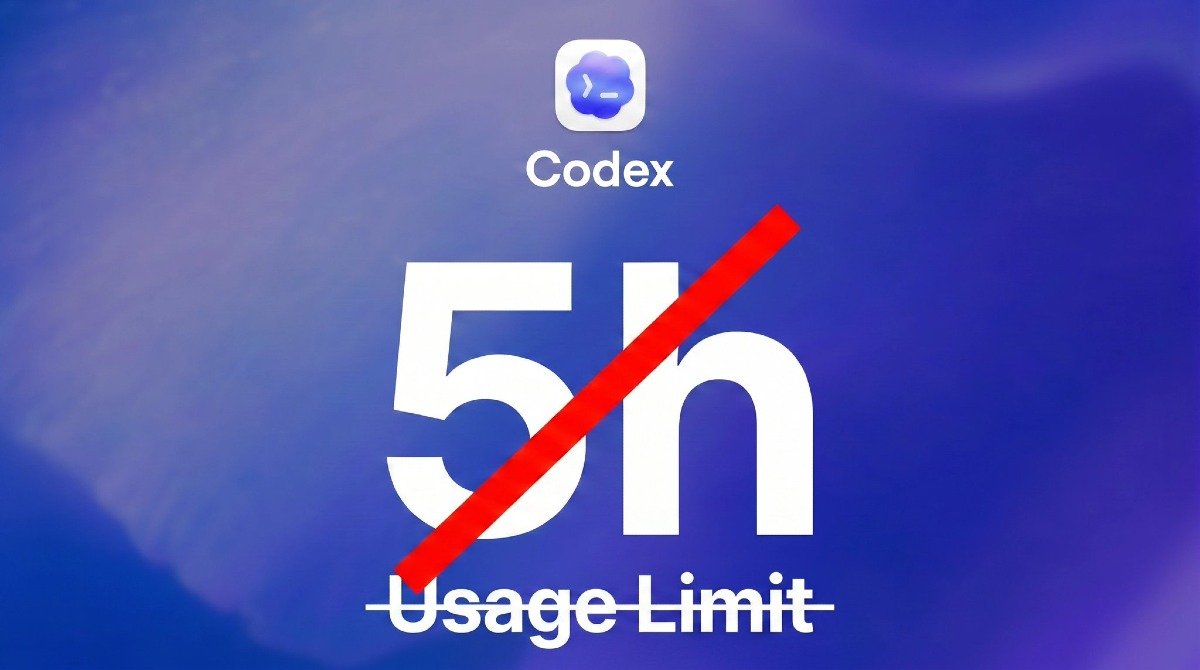
OpenAI has temporarily removed the five-hour usage restriction for ChatGPT Plus, Business, and Pro plans, alongside Codex. The move comes after a surge in demand for the company's most capable model over the past 48 hours, and it also comes with a one-time reset of usage quotas for affected users. That model, GPT-5.6 Sol, only reached general availability days ago, and demand has apparently outpaced expectations.
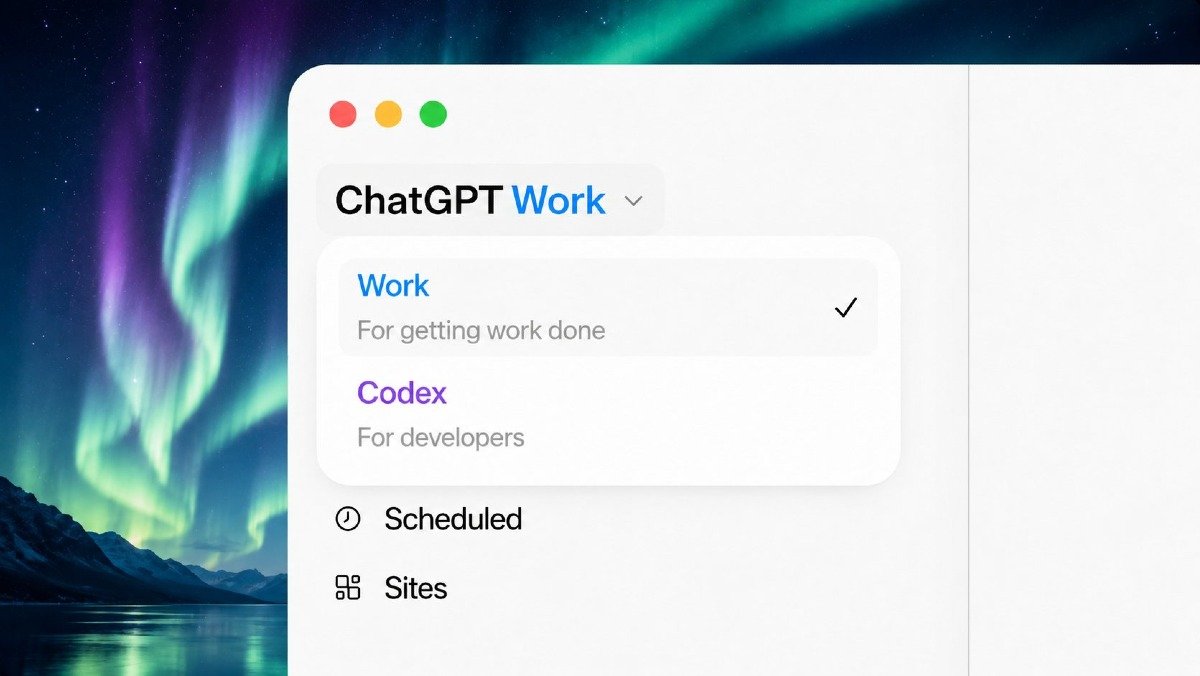
The announcement was shared by Tibo, OpenAI's Head of Core Products, who described the last two days of activity across Codex and ChatGPT Work as "intense." Combined active users across Codex and ChatGPT Work have reportedly crossed 6 million, a milestone that appears to have triggered the decision to ease restrictions rather than let rate limits throttle a rapidly growing user base.
What's Actually Changing
According to OpenAI's own statement, three updates are rolling out together:
- No more 5-hour cap: The rolling five-hour usage restriction is temporarily lifted for Plus, Business, and Pro plans.
- Efficiency improvements: Changes are being rolled out to make the flagship reasoning model more efficient, meaning similar tasks should consume less of a user's usage allowance going forward. OpenAI has not yet quantified the exact reduction.
- A one-time usage reset: Every eligible user's quota was reset shortly after the announcement, effectively giving everyone a clean slate.
It's worth stressing the word temporarily. OpenAI hasn't said how long the relaxed limits will remain in place, and normal rolling-window restrictions are expected to return at some point. Free-tier users are unaffected, as their access already operates on a separate, dynamic five-hour window tied to abuse-prevention and system-load factors — a tier we broke down in our look at whether ChatGPT Go is worth the $8 a month.
Why This Matters
For developers and power users, usage caps have long been one of the biggest friction points with hosted AI coding tools. Hitting a limit mid-task, especially during a long agentic coding session in Codex, can break flow and force a wait for the quota to refresh. Temporarily lifting the cap signals that OpenAI is prioritizing uninterrupted usage during this surge, likely to keep users engaged with newer, more compute-intensive reasoning models rather than pushing them toward competitors during a period of heavy adoption.
This isn't happening in a vacuum, either. Rivals have been making similar moves lately: Anthropic recently gave Claude Code users a 50% weekly usage boost, and the broader industry keeps running into the same wall of surging demand for compute, a trend we've tracked in our coverage of AI compute demand showing no signs of slowing. Usage-limit generosity is quickly becoming a competitive lever in its own right.
The efficiency changes are arguably the more durable part of this update. If OpenAI can genuinely reduce how much quota similar tasks consume, that benefits high-frequency users well after the temporary cap removal ends, extending how far a normal allowance can stretch.
What to Watch Next
- Whether OpenAI shares concrete numbers on the promised efficiency gains.
- How long the "temporary" removal actually lasts before rolling limits return.
- Whether this pattern, surge in demand followed by a public loosening of limits, becomes a recurring playbook as OpenAI ships new models like GPT-5.6.
For now, Plus, Business, and Pro users get a rare, uncapped window to put Codex and ChatGPT through their paces without watching the clock.