OnePlus — once celebrated as the scrappy "flagship killer" that shook up the Android world — is preparing to exit the United States and European markets entirely, according to a report from WinFuture. Parent company Oppo is expected to make a formal announcement within days, drawing a definitive close to years of turbulence for the brand in the West.
For longtime fans, the news stings. But it wasn't entirely unexpected.
Months of Rumours, Now Apparently Confirmed
The signs have been building since the start of 2026. In January, Android Headlines reported that OnePlus was being "dismantled" — a claim the company pushed back on at the time, issuing a statement affirming that "OnePlus North America continues to operate, with full guarantee of users' after-sales support, software updates, and rights commitments."
By March, 9to5Google reported that OnePlus might cease operations across global markets. Then in April, Android Authority detailed a wave of departures from senior staff in Europe and the UK. A company spokesperson responded carefully, saying only that "OnePlus Europe is evaluating its regional roadmap and product strategy."
With the WinFuture report now pointing to an imminent official announcement, the picture has become hard to ignore. OnePlus did not respond to a request for comment from The Verge.
Why OnePlus Struggled in Western Markets
The brand's difficulties in the US and Europe have roots that go beyond internal strategy. Oppo — OnePlus's parent company — was effectively banned from operating in the United States due to trade restrictions related to its Chinese ownership. That forced OnePlus to operate as a kind of orphaned sub-brand in the region, without the full backing and distribution muscle its competitors enjoy.
- No carrier deals: Unlike Samsung, Google, or even Motorola, OnePlus never landed meaningful carrier partnerships in the US — the primary channel through which most Americans buy phones.
- Trade restrictions: US–China tech tensions created ongoing headwinds for Oppo and its subsidiaries, limiting investment and expansion.
- Thin margins, tough competition: The mid-range and flagship Android market is crowded, with Google's Pixel line, Samsung's Galaxy series, and newer entrants all competing aggressively on price and features.
- Staff exodus: The departure of senior European leadership earlier this year signalled that meaningful commitment to the region had already quietly ended.
What Happens to Existing OnePlus Users?
This is the most pressing question for anyone currently running a OnePlus device. Based on past statements from the company, existing users in the US and Europe should expect:
- After-sales support to continue for a defined period (as previously committed)
- Software updates to keep coming, at least in the near term
- A gradual wind-down rather than an abrupt cutoff
That said, once a brand formally exits a market, long-term support commitments tend to erode. Users considering a new Android device would be prudent to factor in the uncertainty before committing to the OnePlus ecosystem.
A Shifting Landscape for Android in the West
The OnePlus withdrawal is a symptom of a broader realignment in the global smartphone market. Chinese brands that once aggressively expanded into Europe — Huawei, Xiaomi, Oppo, and their sub-brands — have faced mounting political and regulatory pressure that makes Western market operations increasingly costly and difficult to sustain.
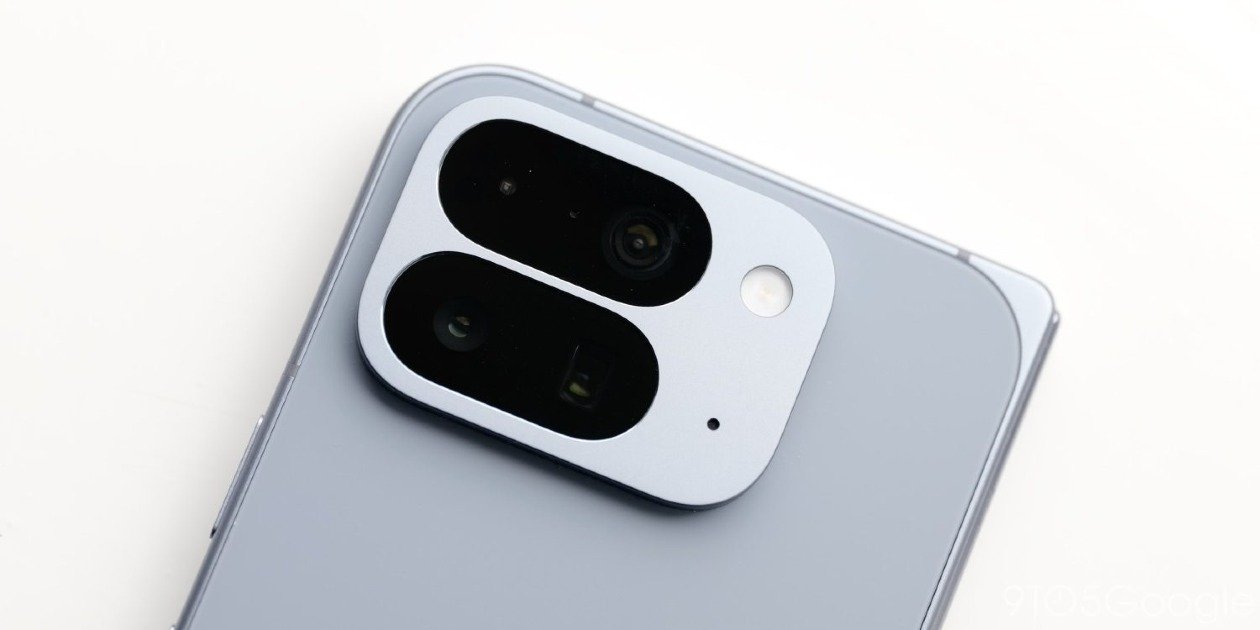
Meanwhile, the smartphone market itself is maturing. Upgrade cycles have lengthened, the mid-range has become intensely competitive, and differentiation is harder than ever. Google's Pixel line has strengthened its position considerably — the upcoming Pixel 11 series is already generating significant buzz with leaked specs pointing to bigger storage and refined hardware — while Apple continues to dominate the premium tier.
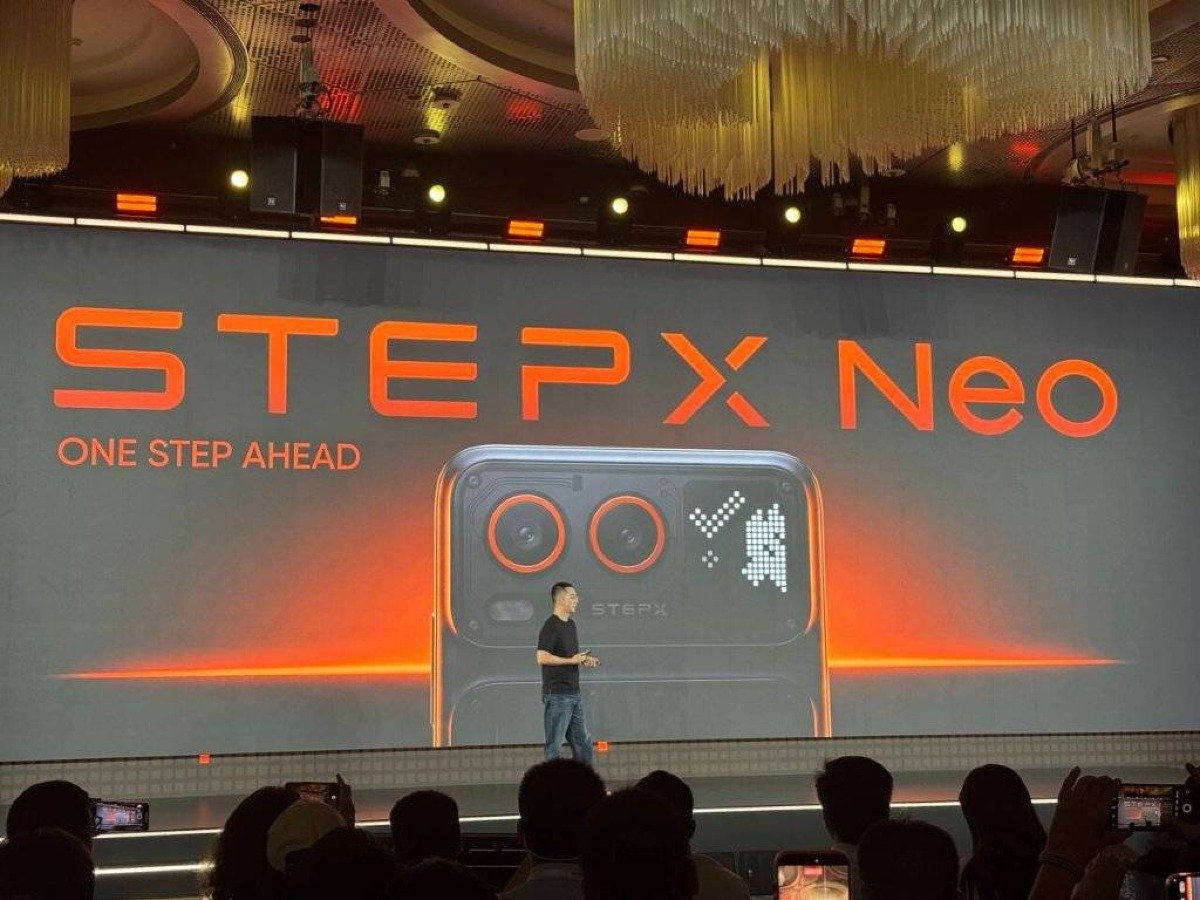
The rise of entirely new categories is also reshaping what "smartphone" even means. Devices like the StepX Neo — the world's first AI-native "agentic phone" — are signalling a future where on-device intelligence, not hardware specs, is the key differentiator. For brands unable to invest in that kind of deep software and AI integration, competing in premium Western markets becomes an increasingly losing proposition.
On the hardware side, the bar keeps rising. Apple's reported M7 Ultra chip — with up to 1.5TB of unified memory — is set to push on-device AI performance to new heights, raising expectations across the entire industry.
What's Next for OnePlus?
OnePlus is expected to continue operating in its core markets — India and China — where it retains a meaningful presence and stronger distribution infrastructure. The brand has historically had considerable success in India in particular, where it competes directly with Samsung and domestic players like Realme.
The Western exit, when formally confirmed, will mark the end of a remarkable — if turbulent — run. OnePlus launched in 2013 with an invite-only model and a genuine underdog ethos. It attracted a devoted following of enthusiasts willing to look past its online-only distribution in exchange for flagship-grade hardware at mid-range prices. That community deserves a proper farewell, even if the company isn't quite ready to say goodbye yet.
The Bottom Line
OnePlus's imminent departure from the US and European markets isn't a surprise — but it is a milestone. It underscores the difficulty Chinese smartphone brands face in sustaining Western operations amid trade pressures, intense competition, and the rising cost of meaningful market presence. For fans, now is a good time to assess your support options. For the wider Android ecosystem, it's a reminder of just how quickly the competitive landscape can shift.
Related Reading
- Google Pixel 11 Leaks Roundup: Bigger Storage, Higher Prices, and a First Look at 'Pine'
- StepX Neo: The World's First Agentic Phone Is Already Here — And It Wasn't Made by OpenAI
- Apple M7 Ultra: 1.5TB of Unified Memory Could Make On-Device AI Unstoppable
- Apple's $650 Billion AAPL Rally: Why Traders Are Fleeing AI Stocks and Buying Apple