OpenAI Built a $230 Keyboard — and Its Lights Tell You What the AI Is Thinking
OpenAI built a $230 keyboard — and its lights tell you what the AI is thinking. Codex Micro offers physical controls and real-time RGB status feedback for developers.
OpenAI Built a $230 Keyboard — and Its Lights Tell You What the AI Is Thinking
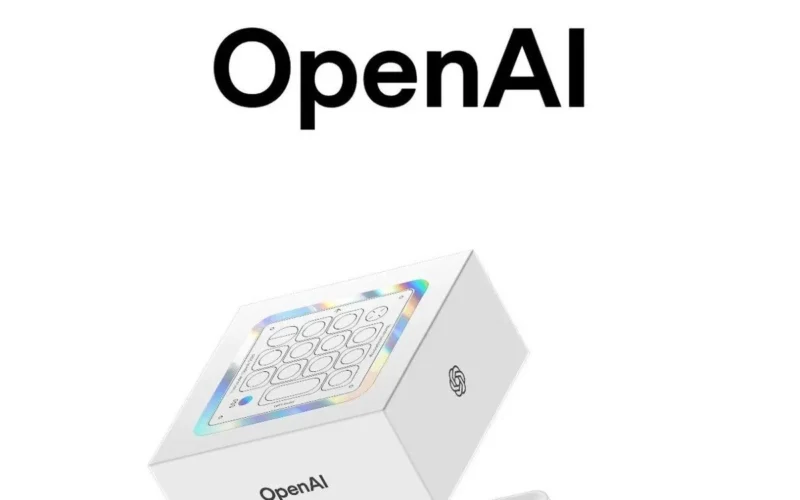
OpenAI built a $230 keyboard — and its lights tell you what the AI is thinking. This new device, called Codex Micro, is the company’s first hardware product. It is a mechanical keypad co-built with Work Louder specifically for AI coding workflows.
The keypad gives developers physical control over their AI assistant. Furthermore, RGB status lights show exactly what Codex is doing in real time. Pre-orders are open now, and shipping begins July 24.
Physical Controls for AI Coding
Codex Micro replaces constant tab switching with tactile buttons. It features 13 programmable keys mapped to specific Codex actions. Therefore, you can interact with your AI workflow without reaching for a mouse.
A dial adjusts how long Codex spends on a task. Spin it one way for fast responses or the other for deep reasoning. Additionally, a joystick handles debugging, pull requests, and code rewriting instantly.
The package includes 32 extra keycaps for custom labeling. Connectivity options include Bluetooth and USB-C for both Windows and macOS. OpenAI calls this device a command center for AI agents.
RGB Status Lights Explain AI Behavior
The most clever feature is not the keys themselves. Instead, RGB lighting communicates the real-time status of the AI. This ambient feedback proves surprisingly useful during deep work sessions.
The lights indicate five distinct states at a glance. These include thinking, working, waiting, finished, and idle. Consequently, you avoid disruptive alt-tabbing just to check a progress bar.
This design reflects serious thought about AI-native developer workflows. Ambient status feedback is rare in developer tooling but common in smart homes. As autonomous tasks grow longer, knowing agent state without screen attention becomes vital.
Niche Hardware for Specific Workflows
However, Codex Micro remains a niche product. The keypad only makes sense if you already use Codex heavily. Otherwise, software controls may still suffice for your needs.
Reliability concerns also exist for AI-generated code. Research suggests much AI-written code fails in production environments. Faster hardware controls only add value if the underlying suggestions are good enough to review quickly.
Competing tools offer similar capabilities through software alone. Thus, the $230 price tag argues for ergonomic benefits over digital shortcuts. Developers must decide if tactile experience justifies the cost.
Future Hardware Ambitions
Finally, this launch signals broader ambitions. OpenAI is now a company that sells physical objects. This keypad is likely just the beginning of a larger hardware strategy.
Partnering with Work Louder keeps manufacturing risk low for this first release. Yet, the design suggests OpenAI is defining an entire category. Peripheral hardware could deepen platform lock-in while improving daily experiences.
Sales volume is secondary to the strategic signal. The real question involves the future look of AI-native workspaces. OpenAI aims to define that environment over the coming years.
Codex Micro Specifications
- Price: $230
- Controls: 13 keys, dial, and joystick
- Feedback: RGB status lighting
- Connectivity: Bluetooth and USB-C
- Compatibility: Windows and macOS
- Availability: Ships July 24