China’s Fourth-Largest DRAM Maker Is Sampling LPDDR6 — and Apple Is Already Testing It
CXMT is sampling LPDDR6 memory at 12.8 Gbps with H2 2026 production planned. Reports suggest Apple is testing these chips as Samsung and SK hynix prepare for 2027.
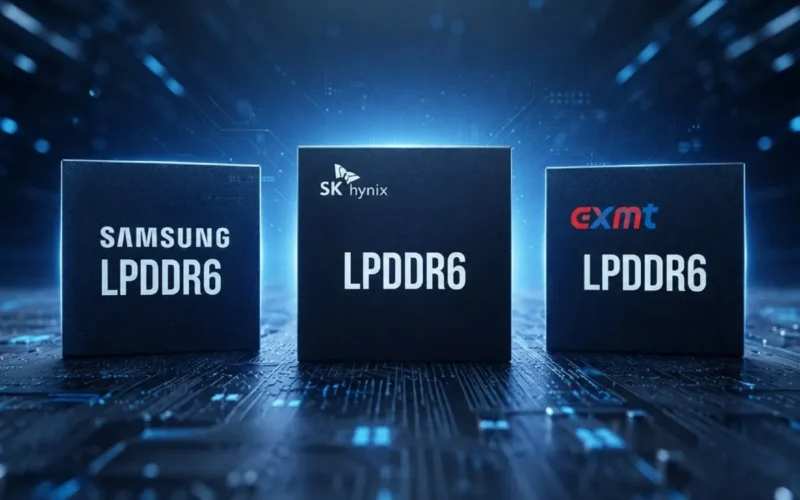
China’s fourth-largest DRAM maker is sampling LPDDR6 — and Apple is already testing it, according to recent reports. CXMT has begun sampling memory chips rated at 12.8 Gbps. The company targets mass production for the second half of 2026. Meanwhile, Samsung and SK hynix plan to supply the first LPDDR6 smartphones in 2027.
This development marks a significant inflection point for CXMT. The firm held a negligible global market share just a few years ago. Now, it commands roughly 8% of the market. Therefore, this next-generation product signals serious commercial readiness.
LPDDR6 Specs from China’s Fourth-Largest DRAM Maker
The new chips reportedly reach speeds up to 12.8 Gbps. This represents a meaningful step up from current LPDDR5X silicon. Furthermore, CXMT is upgrading its packaging technology to support this standard. This investment suggests the company intends to compete at scale rather than producing a nominal product.
LPDDR6 is the next frontier for mobile memory. Samsung and SK hynix will likely supply compatible devices first in 2027. CXMT devices will probably follow as production ramps. However, the fact that sampling has started puts CXMT closer to readiness than many assumed.
Apple Testing and Key Customers
CXMT already supplies memory to major tech firms. Its customer list includes Huawei, Xiaomi, OPPO, Alibaba Cloud, and Tencent Cloud. This roster spans handsets, hyperscale cloud, and consumer electronics. Thus, the company is embedded in core Chinese supply chains.
Sources claim Apple is currently testing CXMT’s memory. However, no confirmation exists that the chips passed qualification. Apple historically relies on Samsung and SK hynix for memory. Testing does not guarantee adoption, but it shows Apple is exploring options. Whether this reflects diversification or negotiation leverage remains unclear.
Rapid Growth in the DRAM Market
CXMT’s rise has been fast by semiconductor standards. An 8% global share seemed implausible five years ago when Chinese production was nonexistent at scale. While this still trails industry leaders, the trajectory matters most. Export control pressures have accelerated China’s push toward self-sufficiency.
Necessity has become an accelerant for memory producers like CXMT. For context on this strategy, Alibaba Says Qwen3.8 Max Trails Only Fable 5 — With Almost No Specs to Back It Up. The memory supply chain is following a similar parallel track of rapid domestic advancement.
Market Implications of LPDDR6 Sampling
Samsung and SK hynix will supply the first wave of devices in 2027. CXMT will enter later during the ramp. This lag is measured in months or quarters, not years. If CXMT qualifies with customers like Apple, it becomes a credible alternative supplier. Consequently, this shifts an industry historically dominated by two players.
Competition also affects pricing. A third credible supplier at the high end puts downward pressure on memory prices. Smartphone OEMs and cloud hyperscalers would welcome this dynamic. Conversely, established leaders might face tighter margins.
Key Milestones to Watch
Tracking specific milestones is essential. First, watch if CXMT hits its H2 2026 mass production target. Second, monitor whether Apple’s testing converts into formal qualification. Finally, observe if packaging technology keeps pace with chip speeds. Signal integrity and thermal management remain challenges at 12.8 Gbps.
China’s memory industry is no longer catching up on yesterday’s technology. With LPDDR6 sampling underway, it competes on the same generation as market leaders. Although slightly behind the wave, the gap is closing rapidly.