Tesla Sold Fewer Than 500 Cars in India in a Year — and BMW Did 7x That in the Same Period
Tesla sold fewer than 500 cars in India in a year, while BMW moved over 3,400 units. Tariffs and limited models explain this massive sales gap.
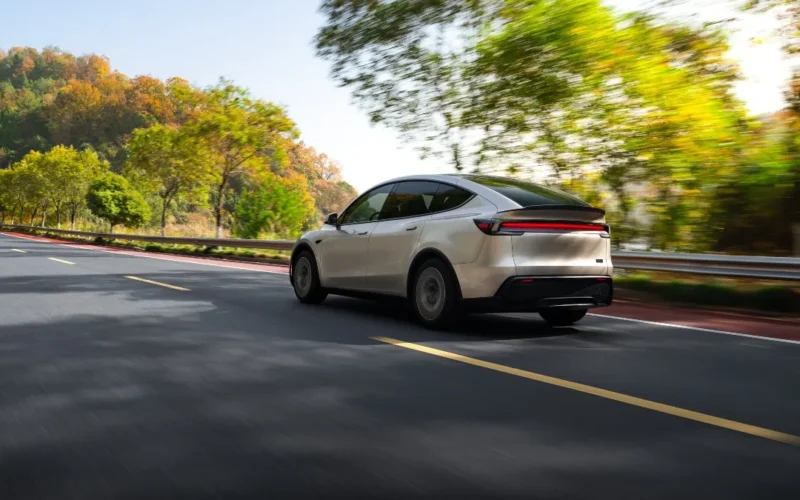
Tesla completed its first anniversary with a stark reality: Tesla sold fewer than 500 cars in India in a year — and BMW did 7x that in the same period. The American automaker delivered just 450 Model Y units between September 2025 and June 2026. Meanwhile, BMW retailed 3,433 vehicles during those same nine months. This massive gap highlights structural challenges rather than a simple slow start.
Why Tesla Sold Fewer Than 500 Cars in India in a Year
First, Tesla entered the market with only one product. The company launched the Model Y as its sole offering on July 15, 2025. Competitors like BMW and Mercedes-Benz offer multiple models across various price points. Therefore, buyers have far more choices from established German brands.
Additionally, pricing remains a significant barrier. The Model Y launched at ₹59.89 lakh before dropping to ₹50.89 lakh. However, because Tesla imports completely built units from Shanghai, the car faces 100% import duty. Consequently, Indian customers pay nearly double the US price for an Asian-made vehicle.
The Tariff Wall Blocks Growth
India’s import duties deliberately protect domestic manufacturing. Every major foreign automaker operating at scale has local assembly operations. These facilities significantly reduce costs and allow competitive pricing. Unfortunately, Tesla currently lacks an Indian factory.
Elon Musk previously signaled ambitions to build locally after meeting Prime Minister Narendra Modi. Yet, no concrete plans have materialized so far. Until Tesla secures manufacturing or tariffs change, selling imported EVs at ₹50 lakh-plus remains difficult. Mass-market EVs in India typically cost around ₹22 lakh.
Infrastructure Expansion Continues
Despite sales struggles, Tesla continues expanding its Supercharger network across Mumbai and Delhi. The company also opened an Experience Centre alongside its Mumbai showroom. Plans to reach southern India are reportedly in motion.
Charging infrastructure matters enormously in this market. Public charging outside metro areas remains sparse. If Tesla builds network reliability first, it could gain a meaningful advantage. However, a charging network without affordable cars is merely a marketing exercise.
Requirements for Year Two Success
Several changes must occur for Tesla’s trajectory to shift materially. First, adding a second model would expand the addressable market. The Model 3 has been in homologation discussions for India. A lower-priced vehicle would provide presence at another crucial price point.
Second, a tariff concession or local assembly deal is essential. Reduced CBU duties or semi-knockdown assembly could drop prices meaningfully. Finally, Tesla needs a broader retail footprint beyond Mumbai. Reaching Bengaluru, Hyderabad, Chennai, and Pune is necessary to become a national brand.
Tesla’s first year previews the structural headwinds it faces. Demand exists, but high prices prevent conversion. Year two will reveal whether Tesla can localize its business model effectively.