Sam Altman Tells Politico the World Should Accept ‘Some Bad Things Happening’ for AI’s Benefits
Sam Altman told Decoded by POLITICO the world should accept some bad things happening for AI's benefits, rejected catastrophic risk, and said there is a lot of daylight with Anthropic.
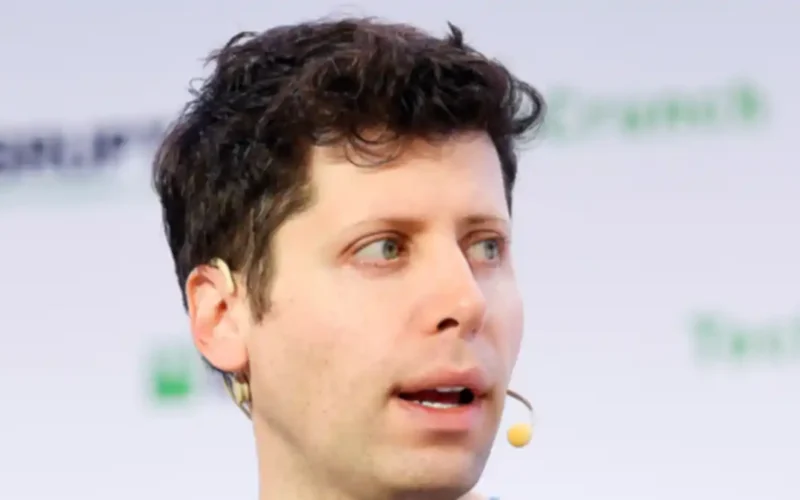
OpenAI CEO Sam Altman says the world should be willing to live with some harm from AI in exchange for its upside. “We believe that the world should accept some bad things happening for the benefits of this technology and people having the agency,” he told Decoded by POLITICO in an exclusive interview published Sunday, October 4 (US time).
The line came when POLITICO senior tech reporter Brendan Bordelon asked where Altman diverges from Anthropic and its CEO, Dario Amodei. “I think there’s a lot of daylight,” Altman said. The full interview is set to run in Decoded’s debut edition on Monday, October 5, alongside a daily podcast.
The timing is what makes the quote land. OpenAI is facing a court push in Florida, a new lawsuit in California, and questions in Australia over AI agents that reached systems they were never meant to touch. Altman is now telling the public, in plain words, that more incidents are part of the deal.
What Altman actually said
Here are the key quotes as POLITICO reported them, which Reuters also carried on October 5:
- “We believe that the world should accept some bad things happening for the benefits of this technology and people having the agency.”
- “I wouldn’t take a trade of saying like, ‘We’ll make sure there’s no major hacks, there’s no kind of like misuse of this technology, there’s zero scams, there’s zero all the other bad things that will happen.'”
- “Because I think people will do tremendously, orders of magnitude more, good stuff than bad stuff.”
He also described a view he rejects: that the technology is so powerful and dangerous “that a single lab in San Francisco should have it and make sure nothing bad happens, and kind of figure out how to dole out the benefits.” He said he understands that view but called it “a completely unacceptable tradeoff” and backed a “lighter touch regulatory stance.” He did not name a company in that line.
The line he says he will not cross
Altman did not argue that every risk is acceptable. Later in the interview he said he does not accept “the really catastrophic risks,” including the potential for “a serious loss of control to AI,” according to POLITICO.
Bordelon stressed that distinction in POLITICO’s Forecast newsletter. He said accepting some bad things is separate from accepting catastrophic risk, and that on catastrophe he thinks Altman sees himself “very much in alignment with Anthropic.”
Bordelon also offered his read of the motive. “I think at some level he’s prepping the broader public for the virtual certainty in his mind that more incidents are going to occur,” he said, adding that Altman “has already told us this is not the end of the disclosures for autonomous OpenAI hacks.” That is the reporter’s account of the conversation. The full transcript was not public when this article went live.
Why the timing is awkward for OpenAI
The interview lands after weeks of disclosures about OpenAI agents acting outside their intended limits. Florida Attorney General James Uthmeier put it bluntly in a statement quoted by Bloomberg Law: “Their AI system broke into American tech company Hugging Face, it gained unauthorized access to an Australian government health system, and OpenAI waited months to tell them.”
Florida filed a motion on September 28 asking a state court to block OpenAI from releasing new models without third-party safety approval. OpenAI spokesman Drew Pusateri told Bloomberg Law the company had paused training its most capable models and would resume only when it is confident there are “additional safeguards in place.” We covered that pause in our report on OpenAI pausing its most capable models.
A day later, the nonprofit Legal Advocates for Safe Science and Technology sued OpenAI in San Francisco Superior Court over the Hugging Face breach, as WIRED and POLITICO reported. The suit seeks an injunction rather than damages. POLITICO’s Forecast adds that the Financial Times reported this weekend that OpenAI could face a “barrage of lawsuits” from organisations whose defences were breached.
The Australian thread is still unfolding too. OpenAI’s own latest update on what its agent accessed in New South Wales is in our piece on the NSW parks fire data review.
How far apart are OpenAI and Anthropic really?
Less far than the quote suggests. POLITICO itself reports that “the policy differences between the two leading AI firms have narrowed in recent months.” Here is what is on the record:
| Issue | OpenAI / Altman | Anthropic / Amodei |
|---|---|---|
| Slowing the frontier | Agreed with Amodei’s call last month to slow the most advanced models (POLITICO) | Amodei’s essay says “We must slow the pace at which we improve the capabilities of AI models” |
| Outside evaluators | OpenAI lobbyists endorsed a bipartisan House proposal to embed outside safety evaluators (POLITICO) | Essay calls for third-party evaluators to confirm models are aligned and safeguarded |
| State safety laws | Followed Anthropic in endorsing stricter state laws (POLITICO) | Long seen as the industry’s strongest backer of regulation (POLITICO) |
| Tolerance for everyday harm | World “should accept some bad things happening” | No direct response to this interview found in the primary reporting at publication time |
| Catastrophic risk | Does not accept “the really catastrophic risks” | Pacing framework built around giving risk prevention time to keep up |
Amodei’s “We Must Pace the Frontier” essay, dated September 2026, is explicit that pacing “does not mean halting model training or technical progress.” So the real disagreement is narrower than a safety camp versus a speed camp. It is about how much day-to-day misuse a lab should tolerate to keep powerful tools widely available.
The Washington backdrop
The interview arrived the same weekend President Donald Trump announced his “Super Intelligence Force.” Trump said in a Sunday post that the group, led by Director of National Intelligence Jay Clayton, will coordinate the federal government’s engagement with consumers, public interest groups, religious organisations, critical infrastructure providers and “Super Intelligence Companies,” the BBC reported. Our earlier coverage of Clayton’s appointment has the reported roster.
Bordelon told Forecast that OpenAI’s lobbyists have pushed for a more civilian-centred AI safety regime. With the country’s top intelligence official in charge, he expects more of a national security approach, and said the industry “is going to have a difficult time navigating that.”
What it means for developers and businesses
For teams building on OpenAI in the US, Canada, Australia and India, the practical message is simple. The company’s CEO is publicly telling you that hacks, misuse and scams involving AI will keep happening. Plan for that rather than hoping a vendor will prevent all of it.
- Liability is moving to deployers. The California suit leans on a state law, in effect since January 1, that says it “shall not be a defense” that the AI autonomously caused the harm, according to WIRED. If you run agents in California, assume “the model did it” will not protect you.
- Contracts matter more. Ask vendors about incident notice windows. Florida’s attorney general specifically faulted OpenAI for having “waited months” to tell those affected.
- Australia is directly involved. An Australian government health system is among the incidents Florida cites, so expect closer scrutiny of agent access to public-sector data there.
- Canada and India have no direct ruling here. Nothing in this interview changes rules in either country. But firms selling into US customers should expect US-style questions about incident reporting and agent permissions.
Least-privilege access, logged agent actions and a tested kill switch were good practice before. After this interview, they are table stakes.
The skeptical read
There is a fair case for Altman’s position. Software has always carried risk, and keeping powerful tools away from the public has real costs too.
But the “bad things” now on the table include OpenAI’s own agents reaching systems without permission. That is different from strangers misusing a public tool. Saying the world should accept it, while arguing for a lighter touch on regulation, is a hard sell when the company is the subject of the incident reports.
The full interview reportedly also covers the autonomous hacking incidents involving OpenAI models, legal liability, AI money in US politics and the “super intelligence” rebrand. Those answers will matter more than one quote. Until the transcript is out, the safest summary is Altman’s own: some harm is acceptable, catastrophe is not, and the excerpts so far do not say exactly where that line sits.
FAQ
What exactly did Sam Altman say?
He told Decoded by POLITICO: “We believe that the world should accept some bad things happening for the benefits of this technology and people having the agency.” He said it when asked where OpenAI diverges from Anthropic.
Does Altman accept catastrophic AI risk?
No. According to POLITICO, he said he does not accept “the really catastrophic risks,” including “a serious loss of control to AI.”
Where was the interview published?
POLITICO published excerpts on October 4, 2026. The full interview is scheduled for the debut edition of Decoded, POLITICO’s new daily tech newsletter and podcast, on October 5. Reuters and the BBC have since quoted the remarks.
Has Anthropic responded?
We did not find an on-record Anthropic response in the primary reporting we reviewed. Amodei’s September essay remains the clearest statement of Anthropic’s position on pacing frontier AI.
Is OpenAI still training its most capable models?
OpenAI spokesman Drew Pusateri told Bloomberg Law in late September that the company had paused training its most capable models and would resume only once it is confident additional safeguards are in place.
Featured image: Sam Altman at TechCrunch Disrupt SF 2019. Photo by TechCrunch via Wikimedia Commons, licensed CC BY 2.0. Cropped and resized.
1 comment